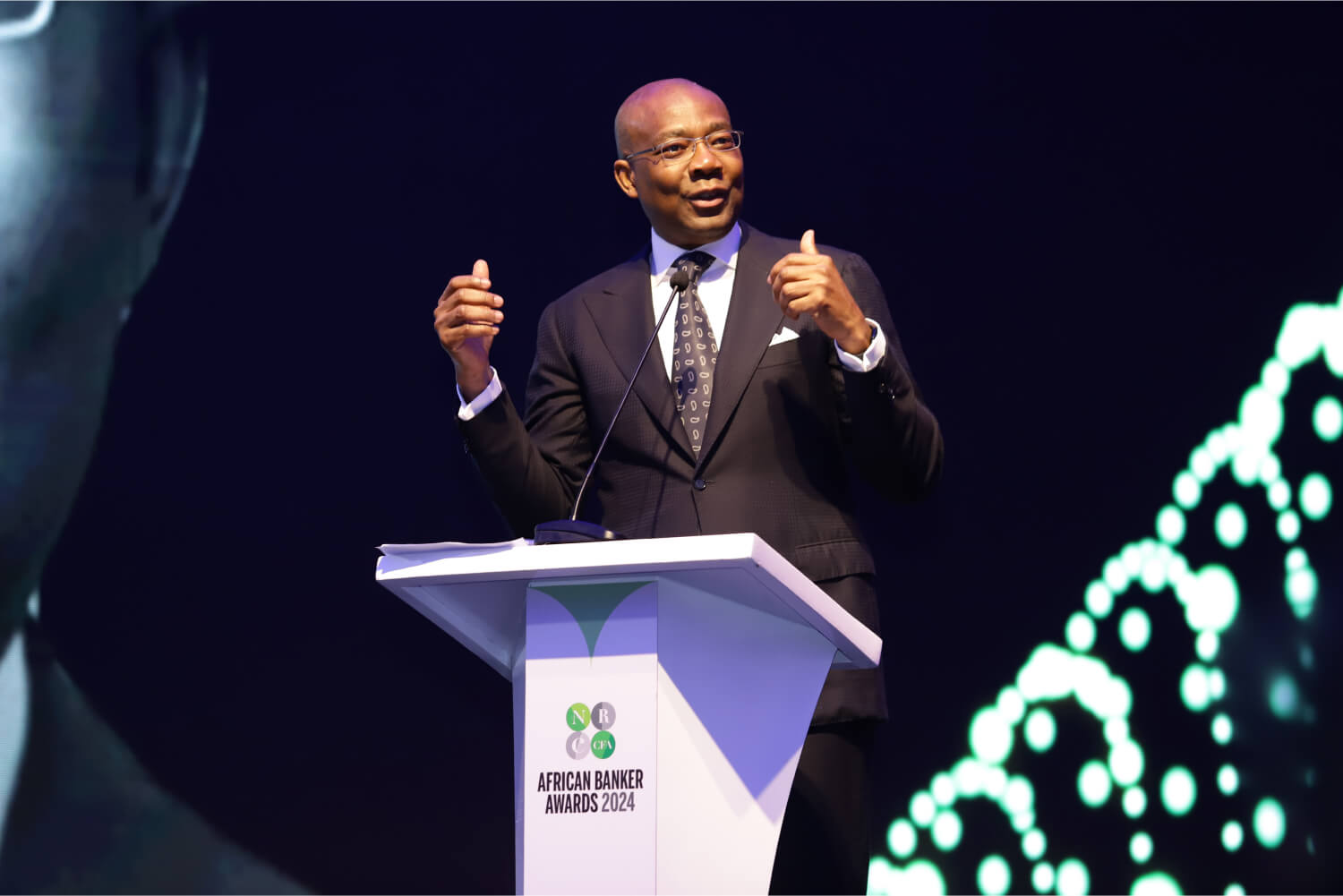






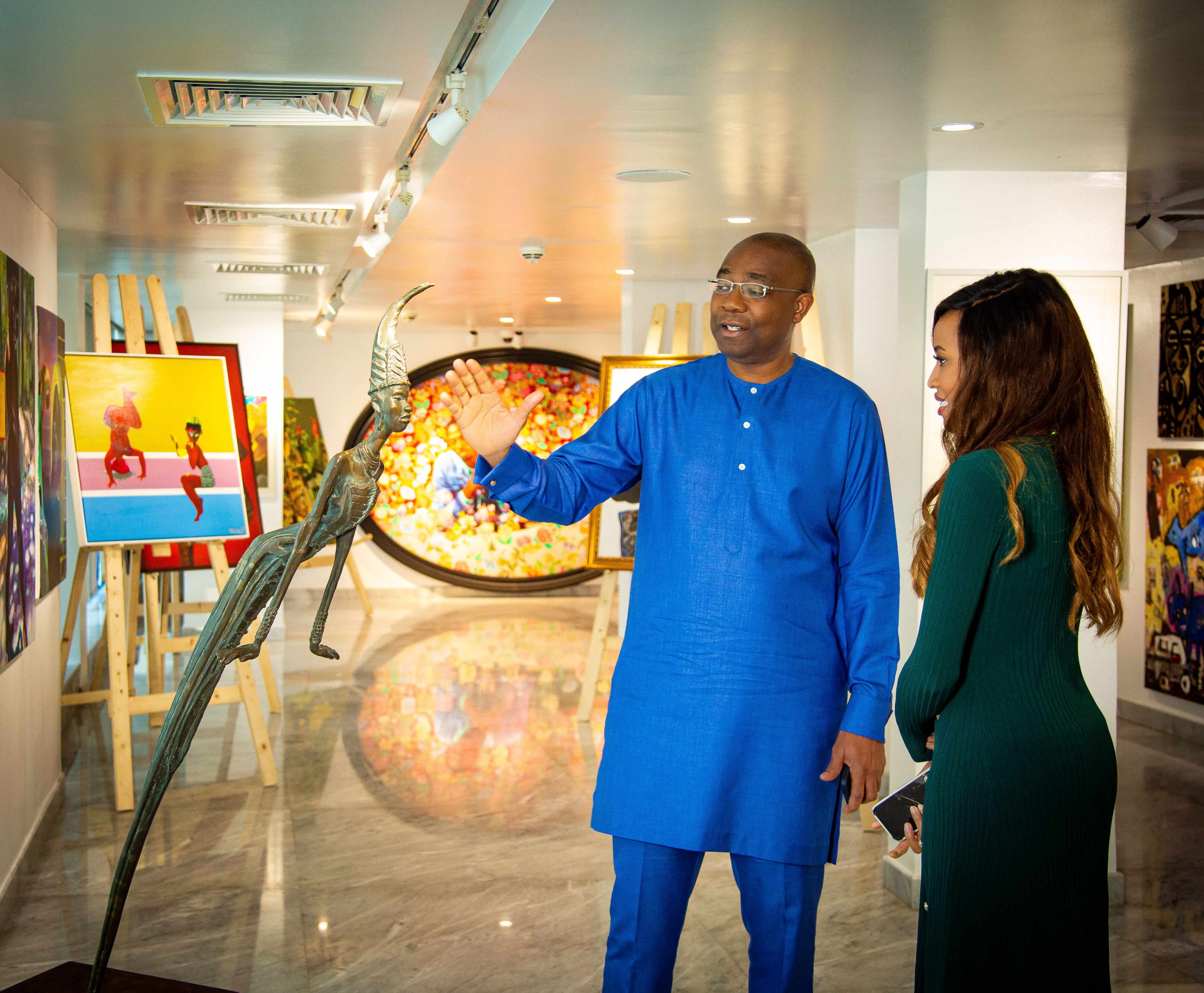

During a recent sit-down on CNN Marketplace, Aigboje Aig-Imoukhuede CFR, Chairman of Access Holdings, shared a compelling perspective in conversation with Zain Asher: Art is almost like oil, a commodity.
The observation speaks to a long-standing paradox. Despite Africa’s rich artistic history and growing global interest in its creativity, African art remains underrepresented within major global institutions. The issue, as Aig-Imoukhuede explains, is not a lack of talent or history, but the absence of strong infrastructure to preserve, promote, and properly contextualise African cultural output.
Why Culture Capital Matters
Wealth creation, he notes, sits at the intersection of financial capital, knowledge capital, and culture capital, with culture capital being the most enduring. Nations with clearly defined and globally accepted cultures often enjoy outsized influence and long-term advancement. Culture shapes perception long before economics or policy does.
Africa’s challenge, therefore, is not visibility alone, but narrative ownership.
Beyond Aesthetics: Owning the Story
African art is often admired for its aesthetics but rarely understood for its deeper narratives. From early masters like Ben Enwonwu, whose work existed alongside European modernists, to today’s contemporary artists navigating global markets, African creativity has always been part of global cultural exchange.
Global reach does not dilute identity. As African music continues to dominate world stages, the lesson is clear: culture evolves, travels, and connects. The responsibility lies in ensuring that what becomes globally mainstream remains rooted in African authenticity.
Nigeria’s Leadership Role
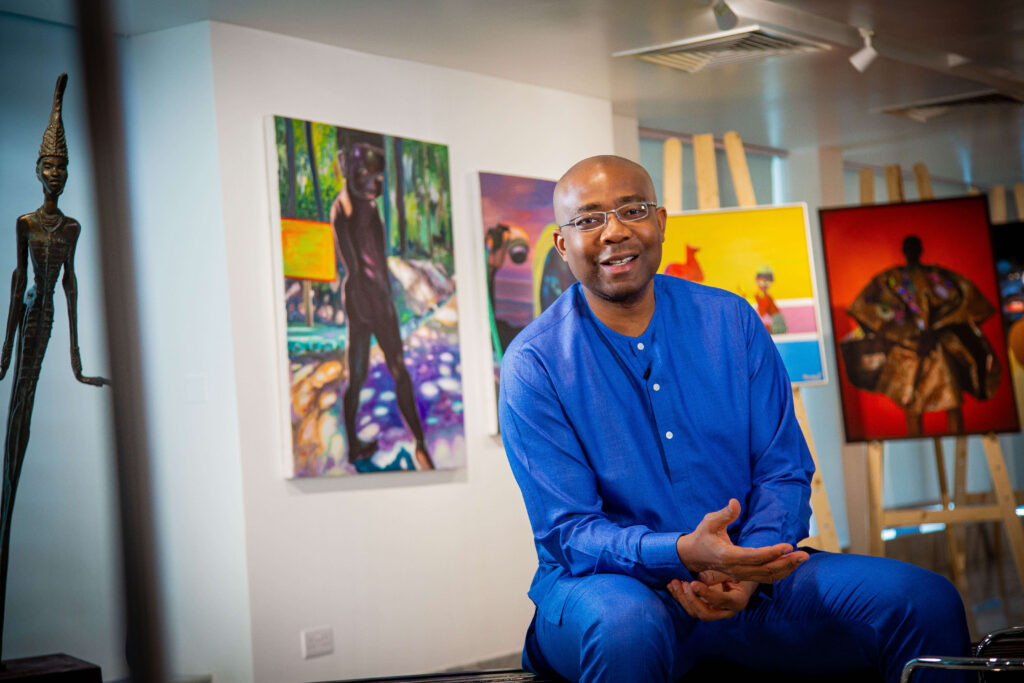
With one in four Africans being Nigerian, Nigeria occupies a unique position as a cultural and economic flag bearer for the continent. As the country moves towards becoming a top global economy by 2050, its cultural leadership will play a critical role in shaping how Africa is perceived worldwide.
Nigerian Modernism at Tate Modern
These ideas come to life through the Nigerian Modernism exhibition at Tate Modern, London, sponsored by Access Holdings and Coronation Group. The exhibition represents a pivotal moment in placing Nigerian artists firmly within the global modernist canon, not as footnotes, but as central contributors.
It is a reminder that African art has always belonged on the world stage. What is required now is sustained investment, intentional storytelling, and long-term cultural stewardship.
Watch the full conversation between Aigboje Aig-Imoukhuede, CFR, and Zain Asher on CNN Marketplace (https://edition.cnn.com/2026/02/04/world/video/marketplace-africa-aigboje-art-afrobeats-spc) to explore these insights in greater depth